NATURAL SKINCARE, SIMPLIFIED
Skincare products can be overwhelming at the best of times.
With ingredients lists as long as your arm, written in what feels like ‘gobbledygook’, I’d find myself getting flustered and just defaulting to anything made by a ‘reliable’ brand.
However, as I’ve been getting more interested in non-toxic living I started to question what I was using.
I started looking up all my products on the yuka app, which gave each one a score based on the potential health risks of the ingredients.
The results really weren’t great. A lot of what I’d been using turned out to essentially be chemical cocktails in white plastic tubes.
So, I decided to spend some time researching and then test some natural skincare to see what I thought.
I was cautious at first I’d read over and over that natural options just wouldn’t work as well.
The naysayers are wrong!
I’d estimate that round 80% of the natural products I’ve tried have not only worked for well me, but I’ve preferred them to the regular options.
Here’s my current line-up:
makeup remover:
’face off’ by Neighbourhood Botanicals
🌸
’face off’ by Neighbourhood Botanicals 🌸
A short while ago I was listening to the founder of Froya, a natural skincare company based in Norway, discussing the benefits of using native plants in skincare.
Essentially, the plants that grow in our specific climates have adapted over millennia to cope with the weather they grow in. By extension, it makes sense that isolating these compounds and using them topically on our skin might provide our skin with some of the same protective properties.
Neighbourhood Botanicals is made and formulated in Cornwall using organic, cold-pressed, zero-waste plant oils and bio-actives sourced from UK-based, family run suppliers wherever possible.
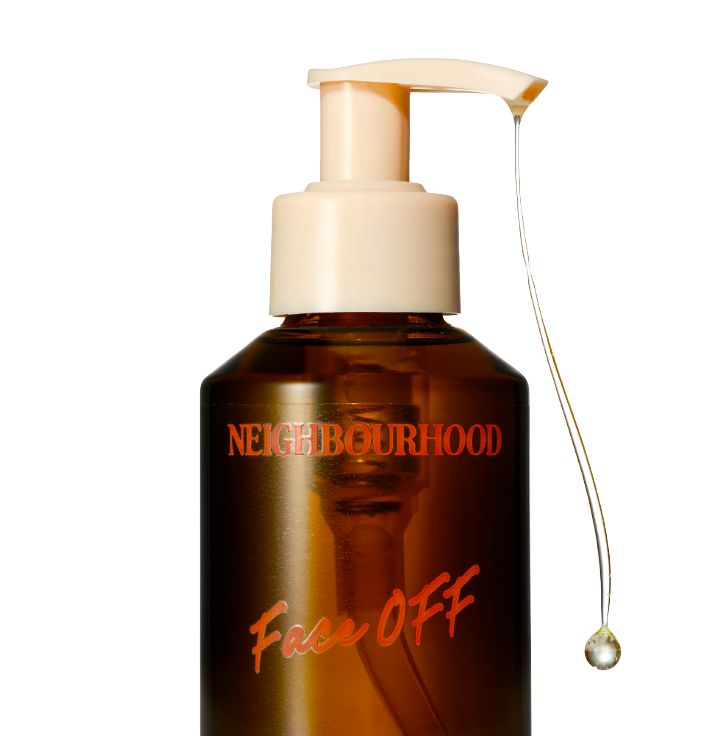
‘Face OFF’ is their oil cleanser.
‘Face OFF’ is their oil cleanser.
Massage it in before adding a splash of warm water to turn it into a ‘milk’ that rinses right off.
I use it every day.
For years I used micellar water on a cotton pad to remove my makeup, scrubbing to remove as much as possible. I’m not really sure why I didn’t swap to a different product sooner as I never thought it did a particularly good job.
Face OFF is amazing, it literally melts off makeup - even waterproof mascara!! - and doesn’t leave any residue.
I really love this company and their products.
I think they’ve found the perfect balance between principle and performance, showcasing the fantastic properties of British botanicals.
The entire line comes in glass packaging, and the brand go a step further by also offering refills in compostable pouches made by their sister company, On Repeat Refills. Aside from their environmental benefit, the refills are also cheaper so it’s a win-win. You can subscribe to both the full-sized products and the refills. which is super handy and also reduces the cost even more.
morning soap wash:
In the mornings I prefer to use a soap cleanser over an oil.
In my mind it just feels touch lighter, and since I haven’t been wearing any makeup overnight I don’t feel the need for anything heavy duty.
I much prefer liquid soap over bar soaps - call me a germaphobe, but the thought of them sitting there all wet in the bathroom air just makes me feel they’re less ‘clean’.
I found it surprisingly difficult to find a face soap that was both natural and not a bar or an oil.
Most of the ones I did end up finding were packaged in plastic and had to contain extra ingredients to keep them from turning solid, some of which I didn’t feel completely comfortable with.
Peace With The Wild, one of my favourite low-waste online marketplaces, had a few options.
One of them was by UpCircle, and I love the concept of the brand.
They infuse their skincare with repurposed natural ingredients that are waste products, like fruit stones and coffee grounds, preventing them from going to landfill. I didn’t end up picking up any of their products but I’ll definitely be keeping an eye on this exciting brand.
For now at least, I still have a fair bit of a regular face wash to get through, so I’ll keep looking and hopefully be able to update this post soon with a recommendation!
exfoliators:
Lactic Acid 5% + HA and Salicylic Acid 2% Anhydrous Solution by The Ordinary
🌸
Lactic Acid 5% + HA and Salicylic Acid 2% Anhydrous Solution by The Ordinary 🌸
The Ordinary is a lab-focused skincare brand based in Canada.
I am aware that it might stick out slightly amongst my other personal care products, but whilst I wouldn’t class The Ordinary as ‘natural’ skincare, they have a real commitment to transparent, minimal, and effective formulations, and most of their packaging is glass.
I have dry/combination skin, so exfoliators are a must for me. Every ‘natural’ skincare brand I’ve come across only seems to offer scrubs/physical exfoliators, but I really dislike the ‘stripped’ feeling of my skin after using them. Chemical exfoliants might sound a little intimidating, but I find they can be both gentler and more effective than scrubs.
I use a combination of two exfoliating serums from The Ordinary:
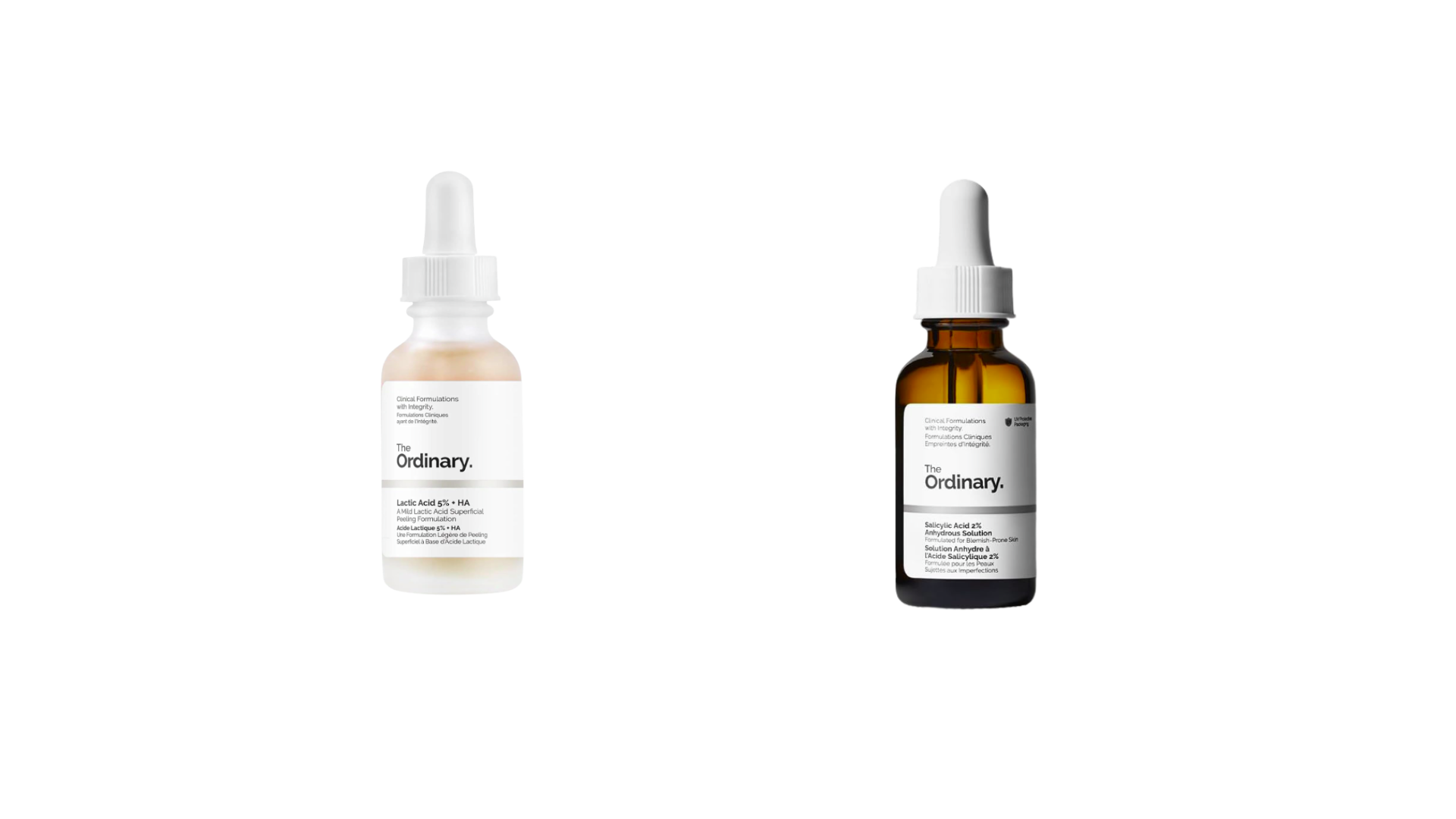
Lactic Acid 5%
Lactic acid works to remove dead skin cells from the skins surface. It’s a lightweight, water-based serum with lactic acid derived from milk. It comes in a frosted glass bottle with a glass dropper - only the lid surround is plastic. I use it daily, normally in the evening as I’ve read acids can increase your skin’s sensitivity to UV rays. This is a gentle exfoliant, great for sensitive skin or if you haven’t used chemical exfoliants before, but they do make stronger versions.
Salicylic Acid 2% Anhydrous Solution
Derived from willow bark, salicylic acid removes debris from deeper in your pores. The serum comes in an olive-oil base and I use a small amount every other evening. I’m quite lucky with my skin, but if I do get a pimple I use it daily on that area. Once again this is quite a gentle exfoliant, but they do stronger iterations for more acne-prone skin.
It comes in an amber glass bottle with a glass dropper - just the lid surround is plastic.
Hyaluronic acid:
‘Superorganism’ Hyaluronic Bioferment Tonic by Neighbourhood Botanicals
🌸
‘Superorganism’ Hyaluronic Bioferment Tonic by Neighbourhood Botanicals 🌸
This is my favourite product on this list.
Hyaluronic acid is a naturally occurring substance in the body, famed for being able to hold up to 100 times its weight in water. When applied topically, it’s able to draw moisture deep into your skin where surface moisturisers just can’t.
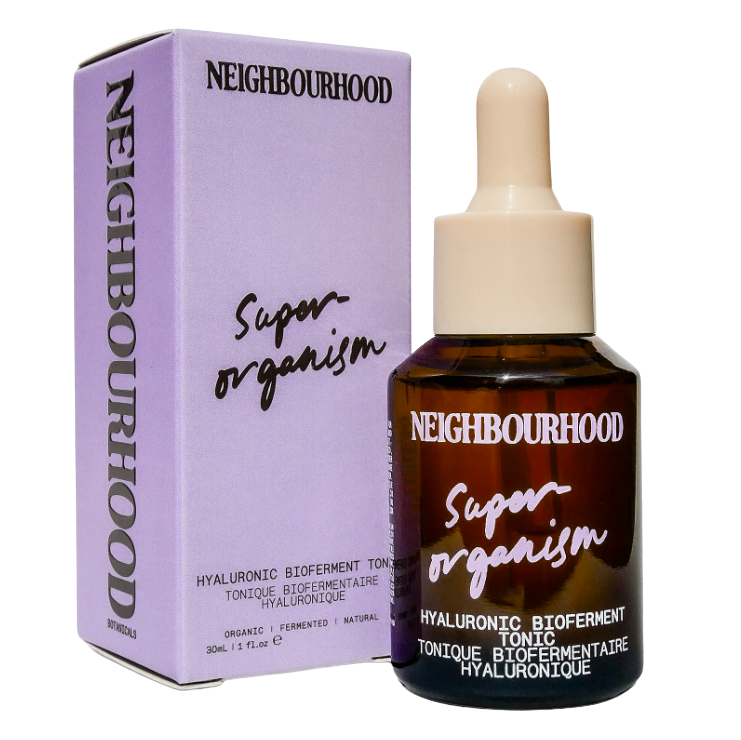
‘Superorganism is an especially cool hyaluronic tonic.
It contains fermented plant compounds, including Scottish seaweed, which makes their skin-loving nutrients more bioavailable and helps to balance the skin’s natural microbiome after cleansing & exfoliating.
So far there doesn’t seem to be a refill option (as of writing, it’s a fairly new product), but I’ve emailed the company to ask if/when they might offer this. I’ll update this post when they get back to me.
collagen promoter:
Organic Bakuchiol Serum Natural Retinol Alternative by Inika
🌸
Organic Bakuchiol Serum Natural Retinol Alternative by Inika 🌸
Bakuchiol is nature’s answer to retinol.
It’s extracted from the seeds and leaves of babchi plants, Psoralea corylifolia, which have been used in traditional Ayurvedic medicines for over 5000 years.
Like retinol, bakuchiol promotes the production of collagen; considered a vital antiaging compound, collagen helps to maintain skin elasticity and plumpness as well as reduce hyperpigmentation, inflammation, and oxidative stress.
Importantly though, unlike retinol, it isn’t doesn’t increase sun sensitivity or commonly cause skin irritation.
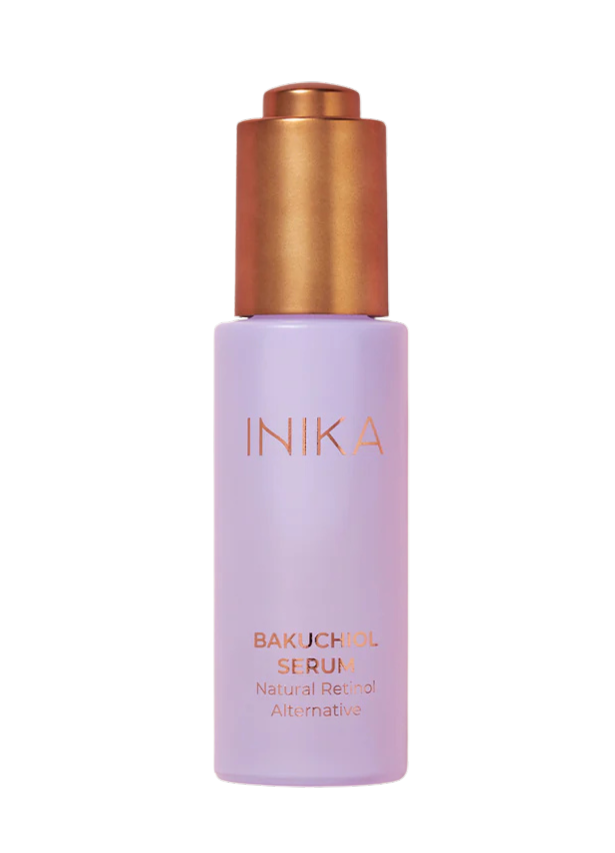
This organic bakuchiol serum is made by award-winning Australian brand, Inika.
It only contains two ingredients: bakuchiol (2%, very high performance) and olive oil.
It comes in a purple glass bottle with an aluminium lid - thoughtfully done and so pretty.
I was particularly drawn to this serum because it’s the first time I’ve seen a ‘natural’ skincare company perform clinical trials on their products, and the results were really good.
I’m only 23, so I’m really using bakuchiol as preventative care for now, but here’s hoping I’ll reap the benefits of of doing so!
Antioxidant and moisturiser:
Pure Tallow Luxe Balm by Fierce Nature
🌸
Pure Tallow Luxe Balm by Fierce Nature 🌸
Sister brand to Ossa (known for their ancestral, animal‑derived pantry staples), Fierce Nature offers hand-made, tallow based personal care products made in Somerset.
Their Luxe Face Balm is made in small batches with tallow from organic, regeneratively reared cattle, sourced from small British farms.
I was really curious to try tallow balms, as I’d heard they’re packed with skin-loving nutrients and closely mimic our skin’s natural oils. I initially used one that had butter oil from the same cows as its carrier oil (aids absorption and spreadability). I love the idea, but its a bit too heavy for all-over twice-daily use for me, but I’m enjoying using as part of my night-time routine now that it’s getting colder. it also works well as a lip balm.
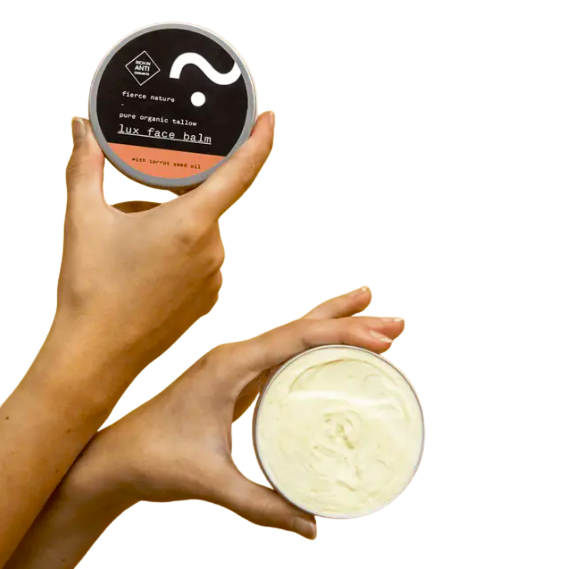
I’ve found the Fierce nature balm to be noticeably softer and easier to apply than others, so I’m able to get a thin, even application.
It’s lightly scented by a few essential oils, and the inclusion of carrot seed oil - a natural antioxidant - is genius!
Using an antioxidants topically helps to neutralise oxygen-rich pollutants that might be sitting on your skin and reacting with UV, potentially contributing to some nasty health effects.
NB: Have a look at my last post to see why using a topical anti-oxidant could help promote youthful, heathy skin as I discussed concerns surrounding the photosensitive compound titanium dioxide in personal care products.
sun cream:
Natural Sun Screen SPF30 by Odylique
🌸
Natural Sun Screen SPF30 by Odylique 🌸
Whilst I realise we’re well and truly into the colder months, I still have a ‘high UV’ shortcut notification set up on my phone.
A family member of mine had skincare when I was growing up, and to this day they’re convinced it was caused by a lack of sun protection when they were younger. Perhaps we’re all overly cautious as a result, but I’d rather that then risk something preventable.
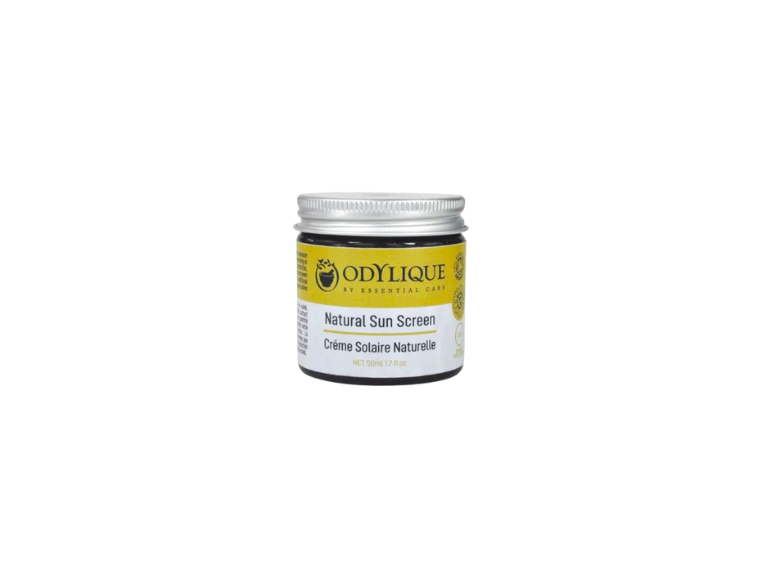
This sun cream by Odylique was my first foray into ‘natural’ skincare and has been absolutely amazing.
It uses zinc-oxide as the SPF element, a mineral filter that sits on the skin’s surface and reflects UV rays.
Conventional sun creams tend to use oxybenzone and/or octinoxate as their SPF element, which are potential hormone disruptors that can also harm aquatic life.
I’ve found most of the ‘natural’ options available now do use zinc-oxide as the mineral SPF, but I ‘d still double check the ingredients list doesn’t include titanium dioxide (often listed as CI 77891) as it’s been linked to some potential health concerns.
The Odylique sun cream was recommended to me in Pure Source, a lovely natural skincare and makeup shop in Cambridge.
It comes in a glass jar with a metal lid, and glides on beautifully. Oddly, it has a slightly green/yellow colour, but thankfully it goes clear once it melts into your skin.
Zinc-oxide based sun creams can sometimes leave a white cast on your skin, but this one doesn’t.
I’d really done very little research before purchasing this, which is unlike me, but being able to test different options on my hand and have the really knowledgeable assistant guide me through was really helpful.
I’d highly recommend trying skincare products out in person where possible, or asking for a sample to be posted out to you.
eat your skincare?
Whilst I realise I’ve just prattled on for an entire blog post about lotions and potions, if we want to truly look after our skin we all need to sleep well, eat well, and limit stress.
The latter is perhaps a tad out of reach in most of our daily lives, but I’m working hard on improving my ‘sleep hygiene’ (look into it if you’re struggling!) and continue improving my diet.
Recently, I’ve seen a few people recently talking about the idea of ‘eating your skincare’.
The argument seems to be that we should prioritise supporting our skin through nutrition.
For example, many people use apply vitamin A topically to support skin repair and maintenance, but carrots are rich in beta-carotene, which is converted to vitamin A in the body. Should we all just be eating more carrots?!
In our current food climate I don’t think it’s quite as simple as that.
I went for an internship with the lovely lot at Wylde Market recently, where the founder Nick showed us this TedTalk about how food’s nutritional density level can be linked to regenerative farming practices (i.e. when soil health is prioritised).
If you look past the slightly monotonous delivery, it’s absolutely fascinating.
Essentially, over time our soils have become depleted, and thus so have the food we grow in them. For example, we’d now have to eat 40 (!!!) conventionally grown carrots to get the same nutrients as one grown regeneratively.
We’re constantly being presented with new supplements and products to support our daily health, but the nutrients our bodies crave could likely still be satisfied in a well-balanced diet - if that diet prioritises regeneratively grown foods.
Some literal ‘food’ for thought, anyway.
I’ll link the regenerative section on Wylde Market here.
Thanks for Reading
I hope this gave you a useful peek into the world of natural skincare.
If you have any recommendations or questions I’d love to hear from you - drop a comment below or email me here.